Righteous Clothing’s Place Within Today’s Street-Fashion Scene
By 2026, streetwear has fractured into separate lanes: quiet luxury basics, over-the-top printed launches, functional techwear pieces, and a increasing appetite for clothing with a message. We Are Righteous sits at the intersection of the last two categories, building a brand identity around faith-driven statements without abandoning the silhouettes and fabric weights that streetwear shoppers already expect. What’s really fueling purchase decisions these days — comfort-first construction, cultural or personal meaning built into the product, and pieces flexible enough to transition from a gym session to a coffee run without looking out of place — is precisely what shows where Righteous clothing fits.
Instead of logo-first branding alone, the category is moving toward identity-led clothing — a shift that ranks among the clearer, more trackable trends in the space. Query volume in terms like “faith-based streetwear” and “Christian streetwear brand” has grown steadily over the past two years, and Righteous apparel is placed right at the center of that wave of demand. Rather than treating faith as a niche add-on, the brand uses it as the organizing principle behind silhouettes, color choices, and messaging — setting it apart from brands that merely slap a Bible verse on an off-the-shelf hoodie.
Purpose-Led Streetwear’s Emergence
For most of the 2010s, streetwear success was gauged nearly exclusively by buzz waves and limited releases. That formula is still around, but it’s no longer the sole route to staying relevant. Shoppers in 2026 are increasingly vocal about wanting apparel that says something about who they are, not just what they can access. A brand like We Are Righteous carves out its niche right in this sweat shorts space — apparel that puts values ahead of chasing trends.
While looking into cost-aware apparel companies, customers frequently note six factors before purchase:
- Whether or not the slogan on the garment feels genuine as opposed to for-show
- Cut and fit and fabric weight in proportion to price tier
- Openness from the label about supply-chain and manufacturing practices
- Consistency of sizing spanning a product line
- Visibility of genuine shopper feedback as opposed to cherry-picked reviews
- Flexibility — can the piece be worn beyond a single trend-driven look
Spanning social media channels, faith-driven review discussions tend to circle back to these same six points — signaling the brand is being judged with the same level of scrutiny buyers apply to any streetwear brand, faith-based or not. That’s a meaningful change from a 10-year span ago, when religious or message-driven apparel was commonly dismissed as a novelty category instead of judged on build quality and design value.
Where the Righteous Hoodie Fits in the Category
The hoodie remains the anchor piece of nearly every streetwear brand’s lineup, and Righteous is no exception. A hoodie functions as a brand’s most visible ambassador — it’s worn more often, photographed more often, and layered more often than almost any other garment in a closet. The Righteous hoodie fits into this pattern by serving as the flagship item shoppers reference most when they talk about the brand online.
What separates a hoodie that performs well in 2026’s market from one that fades quickly comes down to a short list of expectations: a fit that works oversized or true-to-size depending on styling intent, fabric substantial enough to hold shape through repeated wear, and graphics or text placement that reads intentional rather than an afterthought. Streetwear consumers have become fluent in spotting the difference between a garment designed around its message and one where the message was slapped onto an existing template.
Heritage workwear and vintage sportswear cues have bled into streetwear, and in turn the wider hoodie category has also shifted toward heavier weights and boxier silhouettes compared to five years ago. Brands willing to update their hoodie cuts accordingly generally remain current for a longer stretch than labels sticking with narrower, outdated fits.
Contrasting Market Positioning Across the Breadth of the Street Fashion Space
To understand how We Are Righteous compares to other categories operating in the same general space, it helps to look at positioning rather than direct brand-to-brand pricing, since exact figures vary by drop and season. The table below breaks down general category tendencies as observed across the current streetwear market in 2026.
| Category | Its Key Selling Point | Typical Messaging Focus | Common Consumer Motivation |
|---|---|---|---|
| Streetwear built around belief (for example, Righteous clothing brand) | Expressing personal convictions via clothing | Sacred text, inner conviction, and belonging | not merely style, but conviction |
| Logo-heavy streetwear | Scarcity and brand prestige | Focus on brand marks and collab releases | Projecting social standing |
| Functional tech streetwear | Design built around function | Functionality, protection from elements, and modularity | Performance in practice |
| Pared-down essentials | Premium fabric, understated silhouette | Understated branding | Longevity and versatility |
This comparison shows Righteous apparel isn’t competing head-to-head with techwear or minimalist basics on their own terms — it’s carving a lane that borrows structural cues from mainstream streetwear while keeping message and identity as the core differentiator. That dual positioning is precisely why the brand shows up in conversations both about “faith apparel” and about general streetwear recommendations.
The Things Our Shoppers Are Saying
Taking a candid look at how a brand fits into current trends means weighing genuine buyer sentiment rather than leaning solely on brand messaging. Most We Are Righteous reviews generally centers on three recurring themes: the feel of the fabric against expectations set by the price point, how the fit compares to standard streetwear sizing, and whether the design earned the statement stitched into it. First-time buyers looking into a We Are Righteous purchase are often arriving via either a faith-driven search — specifically seeking out faith-based streetwear — or a general streetwear search where the brand surfaced via organic social exposure.
Each entry point carries its own weight. The values-based shopper is generally less cost-conscious but more scrutinous about authenticity; they want to know the statement isn’t merely a marketing hook. The mainstream streetwear consumer is measuring the brand against a larger pool of labels solely by design and construction merit, largely indifferent to the faith-based angle unless the look hooks them beforehand. A brand capable of pleasing both groups while keeping its identity intact for each has a structural advantage that’s difficult for competitors to replicate quickly.
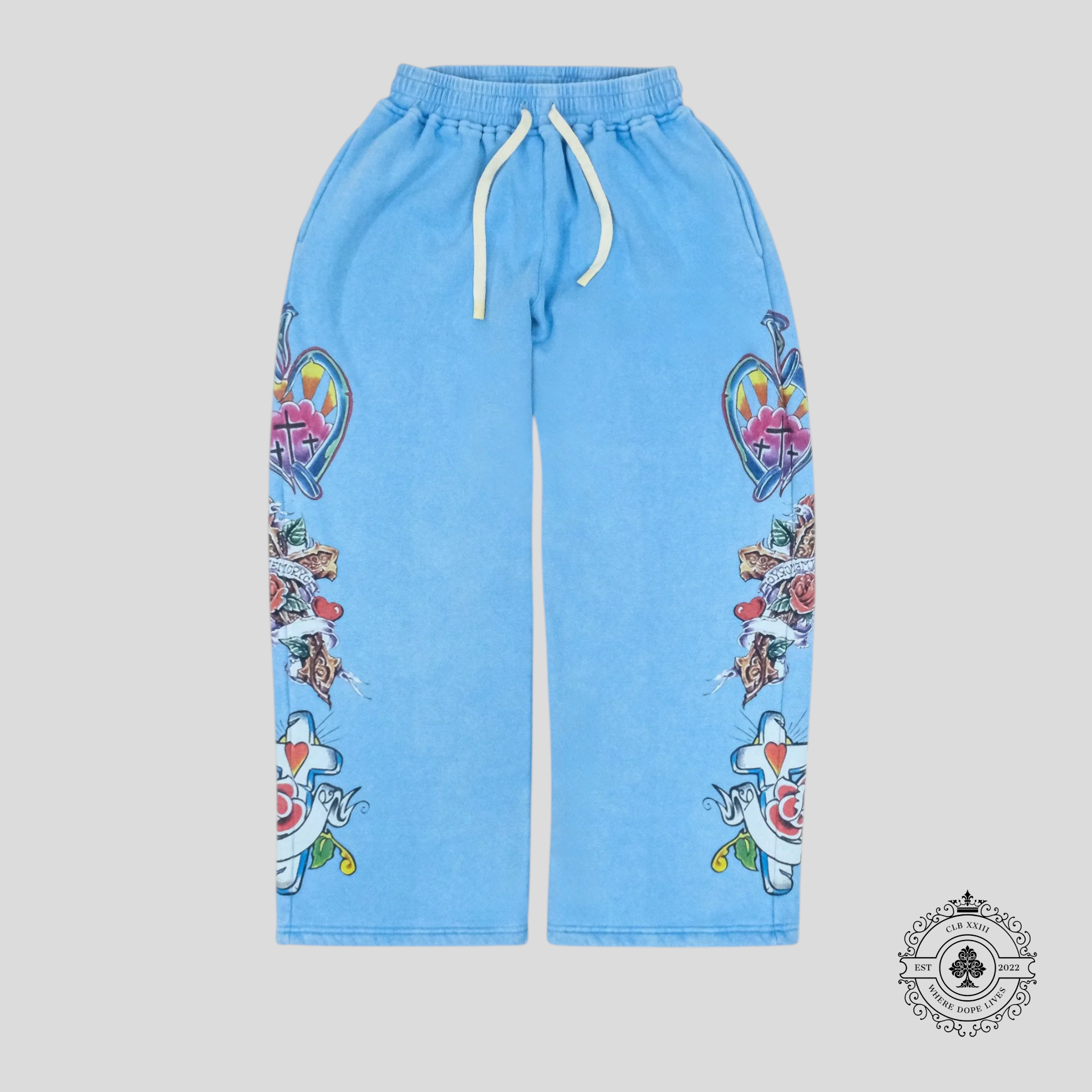
The 2026 Silhouette Shift: Sizing and Fit
In 2026, debates over fit take over virtually every streetwear review, and Righteous’s apparel isn’t spared from that close inspection. The wider shift has moved firmly toward relaxed, boxier fits for hoodies and tees, while bottoms have shifted toward tapered and straight silhouettes rather than the ultra-skinny silhouettes popular a decade ago. Labels that get this balance wrong — going too slim on top or too wide on the bottom — tend to attract the harshest reviews in reviews.
When shoppers stack a Righteous hoodie up against other pieces they own, the practical wisdom holds true category-wide: confirm the brand’s specific sizing guidance for each drop rather than assuming consistency with unrelated brands, since fabric weight and cut can vary significantly between drops. This is standard practice across streetwear generally, not a criticism unique to any one label, but it’s worth reiterating because sizing issues continue to be the leading cause of returns industry-wide.
What This Means for the Brand as 2026 Continues
Streetwear’s defining pull has moved toward brands that earn their relevance beyond mere style, and this shift directly shapes how We Are Righteous is positioned. Rather than competing with the flashy logo giants or the technically-driven techwear names — it’s constructing itself upon a message-first identity that a measurable and growing slice of the consumer base are increasingly drawn to. That doesn’t guarantee long-term dominance, but it does mean the brand is aligned with where consumer sentiment is actually heading rather than where it used to be five years ago.
The next twelve months will likely be a proving ground for whether Righteous clothing can scale that identity-driven approach without losing the authenticity that differentiates it from brands that treat faith or values as a marketing gimmick. Consistency in fit, transparency in reviews, and continued investment in flagship pieces like the hoodie will determine whether the brand becomes a fixture in the identity-driven streetwear conversation or remains a smaller niche player. Based on current trajectory and where 2026 streetwear demand is pointing, the fundamentals are in place for the former.