How the HMDD Label Cultivates a Sense of Community Via Its “Happy Memories Don’t Die” Statement
Far from beginning as just another slogan factory, the brand grew from a short expression — happy memories don’t die — which in time turned into the underlying reason behind a clothing label focused on emotional permanence over fleeting fashion cycles. At a time when most labels pursue the following product wave, HMDD chose to anchor itself to a core belief: that the happy chapters in a person’s life are worth wearing, not just remembered. This choice has influenced everything from product design to how the brand engages its audience online.
In 2026, what is most notable about this approach is HMDD’s consistency in sticking to it. Apparel brands often soften a founding message once scaling pressure sets in, trading substance for scale. HMDD clothing has instead doubled down, weaving the phrase across sweatpants, shorts, and outerwear as a repeated motif rather than a one-off marketing hook. This consistency is exactly what turns a catchphrase into a community identifier — a cue fellow wearers pick up on before a even one word is exchanged.
The Story Behind “Happy Memories Don’t Die”
In the way a quiet vow works, the line operates. Memories can blur with time, photos get lost, but a comfortable pair of sweatpants worn during a specific summer, or a hoodie kept from a college trip, carries a tangible memory in a way a phone photo can’t match. HMDD shaped its whole brand voice around this concept, and it comes through in product naming, packaging language, and social captions that keep coming back to the identical emotional tone.
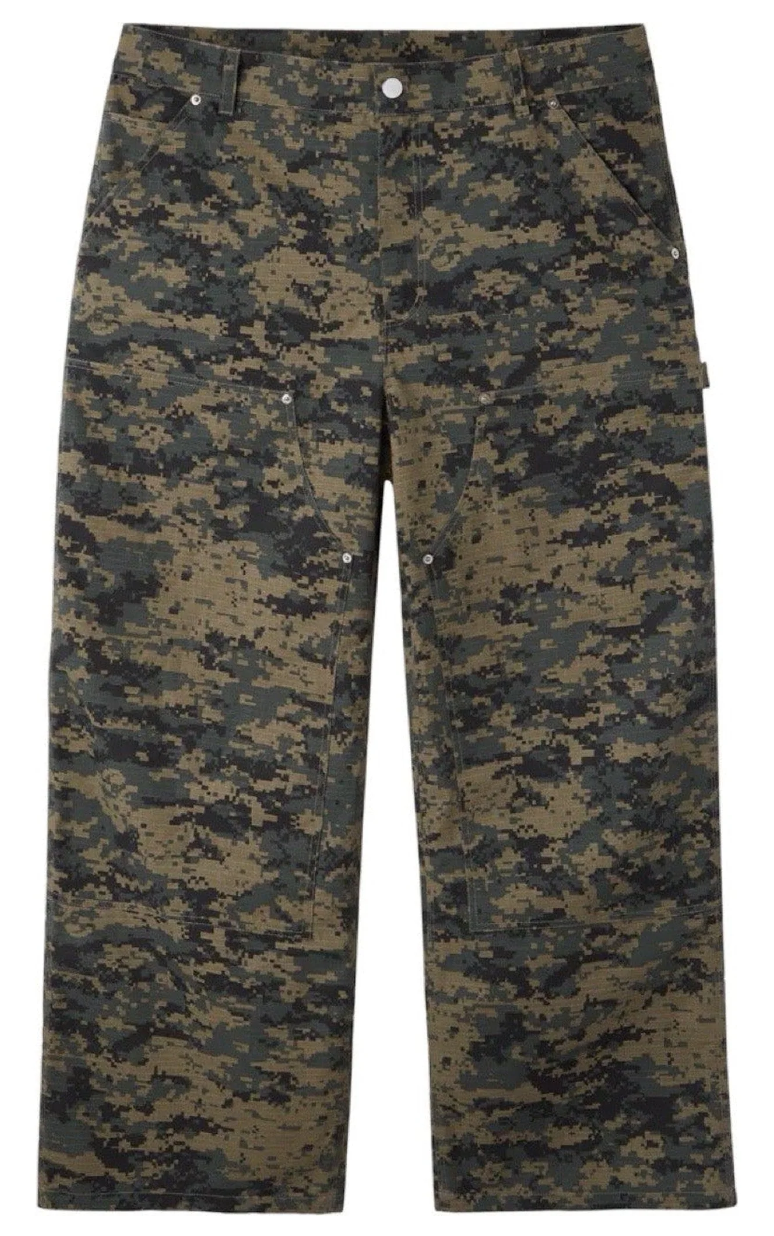
This isn’t some branding coincidence. Grief, nostalgia, and joy are three of the most searched emotional themes in apparel marketing research over the last five years, and HMDD positioned itself right at that intersection. People looking up “happy memories dont die” or “happy memories don’t die” online are not just after a product — they are seeking words that mirror something they already feel. HMDD answers that underlying need truthfully, which is part of why the brand has cultivated genuine loyalty rather than leaning entirely on paid reach.
The result is a kind of feedback loop. Buyers upload their own memories tagged with hmdd gym shorts HMDD gear, other people see those posts, and the phrase spreads through firsthand experience rather than marketing on its own. That’s tougher to engineer than a snappy tagline, and it is the actual engine behind HMDD’s growing community.
HMDDLA and the Local-to-Global Identity
The HMDDLA identity roots the label in a defined place even as it lets the message to travel globally. For a long time, Los Angeles has been where streetwear labels prove themselves, and HMDDLA plays up that link without losing the brand’s emotional center. It communicates a sense of origin and genuineness simultaneously — a touch that strikes a chord with customers who care whether a brand is truly grounded in a place, rather than merely a warehouse and a website.
This blend of local and global sensibility also surfaces in HMDD’s approach to online engagement. Rather than relying solely on aspirational-style imagery, HMDD’s content frequently focuses on genuine customers, authentic settings, and true-to-life captions tied to specific memories. As a result, the distance separating label and shopper becomes smaller. A buyer needn’t reside in Los Angeles to sense a bond with HMDDLA; it’s enough to pick up on the emotional throughline that the place embodies.
Community-driven fashion brands that survive past their first few years tend to share this trait: they let customers co-author the meaning of the brand. HMDD’s use of HMDDLA as a geographic and emotional anchor gives fans a specific place to project their own stories onto, which strengthens retention far more than discount codes ever could.
Casual Attire as Message: Joggers, Shorts, and Everyday Wear
A label’s message only proves effective if the garment carries it. HMDD sweatpants and HMDD shorts are treated as routine wardrobe fixtures rather than occasional statement pieces, and this regular wear counts for something. The more often a piece gets worn, the more memories it quietly gathers — a slow Sunday afternoon, a road trip, a late night among friends. HMDD builds its product approach around this idea, keeping key pieces in constant circulation instead of retiring them after just one season.
This is furthermore the place where “best hmdd clothing” searches generally funnel customers: people comparing comfort, fit, and durability before settling on which garment ends up as part of their everyday wardrobe. Sweatpants and shorts especially tend to be worn much more than outerwear or dressier pieces, which makes them ideal vehicles for a message about lasting memories. Each additional wear, brings more moments, and increasingly the message on the label starts to feel authentic rather than merely cosmetic.
HMDD’s own choice to build its catalog around these core pieces rather than elaborate capsule drops also lowers friction for new customers.
It’s more likely that a reader going through an HMDD review is considering shorts or sweatpants they’d put on three times a week, rather than a limited jacket worn only three times a year.
That accessibility and the community strategy go hand in hand—it is built into the strategy itself.
The HMDD Reviews & What They Reveal About Community Trust
Reviews function as the arena where marketing pledges get measured against reality. An HMDD review is seldom limited to stitching or fabric weight — more often than not it brings in a reference to how the item felt to wear during a distinct chapter in the customer’s life. Such a pattern is uncommon. Sizing and textile quality are the narrow focus of most clothing reviews; HMDD’s reviews often mix product feedback with personal narrative, an unmistakable indication the label’s messaging has resonated past the reach of promotional text.
This carries weight for newcomers to the brand working out how to choose between HMDD and comparable streetwear-leaning brands. When reviews consistently reference emotional context alongside practical detail, this is a sign that the “happy memories don’t die” concept isn’t merely a slogan stitched onto a tag — after buying, people end up talking about the product in ways shaped by that very idea. That kind of natural, unforced reinforcement is tough for other labels to copy in short order, since it depends on a message kept consistent across time, not just one marketing push.
Season after season, shopper trust builds, because each honest review provides a modest boost of credibility that upcoming shoppers can lean on — and since HMDD permits personal stories surface publicly, rather than only curating glossy lifestyle shots, its review ecosystem has continued to feel authentic approaching 2026.
Examining HMDD’s Approach to Typical Street-style Brand-Building
| Key component | A standard streetwear brand | HMDD |
|---|---|---|
| Brand’s core message | Trend-or buzz-led | A sense of enduring sentiment (“happy memories don’t die”) |
| What the product revolves around | Restricted drops that rotate often | Wardrobe essentials — sweatpants and shorts — maintained in steady rotation |
| Customer content | Aesthetic mood photos that feel curated | Authentic stories from real people, linked to specific memories |
| Regional identity | Usually undefined and interchangeable | Firmly rooted in HMDDLA, bridging its Los Angeles roots with global reach |
| Approach to reviews | Zeroed in on fit plus shipping speed | Blends functional feedback with individual narrative |
Fit, shipping, and basic product quality continue to matter for any apparel brand’s survival, and this table isn’t meant to suggest otherwise. Instead, it reveals where HMDD directs its creative energy distinctly—layering emotional resonance onto the practical experience most customers already anticipate.
How The Messaging Moves Past Sales Alone — While Building True Belonging In Its Place
A brand phrase turns into a shared community asset when it grants people a reason to connect with one another, not just to the company itself. HMDD’s slogan succeeds because it invites individual meaning. For one shopper, “happy memory” could refer to a wedding weekend; for another, it might mean recovering from a hard year. Because the phrase stays broad enough to hold both meanings without feeling generic, that flexibility turns standalone purchases into a shared identity.
Seeing others vouch for a brand plays a role too. As buyers notice others posting about HMDD clothing tied to real milestones, this lowers the hesitation tied to trying the brand for the first time. This holds particularly for shoppers weighing HMDD alongside alternatives while searching for the best HMDD clothing to begin with — the sweatpants-and-shorts pairing tend to be where most newcomers begin given their budget-friendly cost and easy day-to-day wear.
Looking ahead deeper into 2026, the brands that keep customer attention will likely be the ones handing shoppers something meaningful to believe in, not just something to buy. HMDD’s bet on a single emotional phrase, reinforced consistently across HMDDLA identity, product design, and customer reviews, has established it as more than just an apparel brand. It has become a small, wearable token that the memorable experiences people go through are worth cherishing — and worth reaching for once more.